
6 Surprising Causes of Employee Burnout (and How Managers Can Prevent Them)
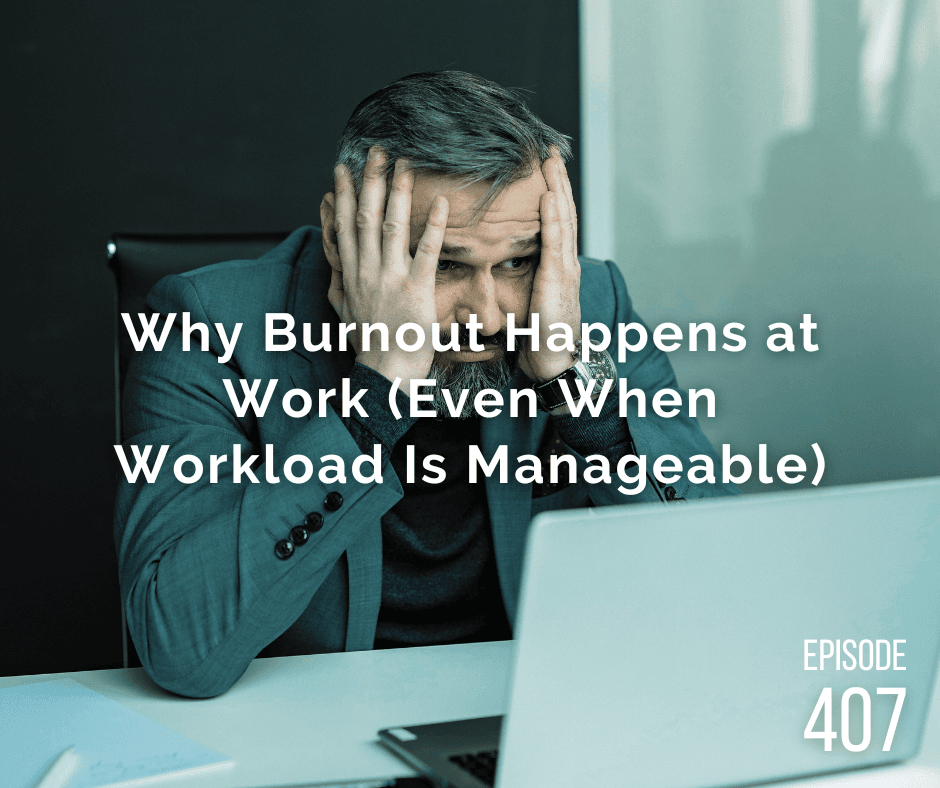
A few months ago, a team lead I work with told me her best performer had just given notice. She was stunned. The workload was reasonable. There was no big crisis. The person had been steady, capable, the one everyone leaned on.
And that was the problem.
When we talked through it, the picture got clearer. The slow leaks had been there for months. Weekend Slack me ages from a leader who "didn't expect a reply but kind of did." A project that quietly got rea igned without a thank-you. Months of doing the same kind of work she used to find interesting and now just found heavy.
No single thing was a crisis. But together, they'd been draining her tank a little at a time. By the time she walked into that resignation conversation, the tank was empty.
I've learned this is how burnout actually shows up. Not as a workload problem. As a tank-emptying problem. And what fills or drains the tank is the daily experience of work itself.
That means your job as a manager goes well beyond deadlines and deliverables. You're shaping the conditions that either keep people's tanks full or quietly drain them, day by day.
Here are six of the most common drains, and how you can plug them.
Work That Never Fully Switches Off
The biggest drain often isn't long hours. It's the feeling of never being off the clock.
When someone feels like they always need to be reachable, mentally tracking what's happening, half-checking me ages over dinner, their brain never gets a real break. The pre ure isn't loud. It's just always there.
A lot of this comes from signals you're sending without realizing it. A me age at 9pm. A casual weekend "quick question." Vague expectations about how fast people should respond. Each one is small. Together, they imply that being unreachable isn't really okay.
Try writing down what you actually expect: when people should respond, when they shouldn't, and what counts as a real emergency. When the rules are clear, people can finally put work down without worrying they're falling behind.
The Slow Drain Of Micromanagement
Micromanagement rarely feels dramatic in the moment. It just feels like checking in. Reviewing the draft. Asking how it's going. Nudging the timeline.
But the cumulative me age is exhausting. When someone's work is constantly inspected and adjusted, they hear something underneath it: you don't fully trust me. And eventually they stop bringing their full thinking to the work, because the extra effort doesn't seem to matter.
What's worked for me is shifting from control to clarity. Instead of watching the work, define what good looks like up front. What's the outcome? What are the constraints? What does "done" mean? When people have that, you don't need to hover. They can take ownership, and you can stay in the loop without standing on top of them.
A Culture That Doesn't Feel Safe
Sometimes the work itself isn't what's draining people. It's the room they're doing it in.
When there's tension on the team, go ip in the side channels, or a quiet sense that it's not safe to disagree, people start spending energy on something other than the work. They manage how they show up. They edit themselves before speaking. They stay guarded.
That kind of environment is draining in a way that doesn't show up on a project tracker. And here's the part that's worth sitting with: as a manager, your response to it sets the tone. If you let it slide, you've taken a stance. If you name it and addre it, you've set a different tone.
Support That Exists But Feels Out Of Reach
Support can be technically available and still feel impo ible to acce .
People don't always ask for help, even when they need it. They don't want to seem like they can't handle it. They worry about slowing the team down or bothering you. So they figure it out alone, and they carry the stre of figuring it out alone.
The fix isn't telling people your door is open. It's making support a normal part of how the team works. Regular one-on-ones where you actually ask what's hard. Standing time on your calendar that isn't tied to deliverables. When asking for help is built into the rhythm, people don't have to summon the courage to interrupt you.
The Quiet Erosion Of Feeling Unseen
It's hard to keep showing up fully when you're not sure anyone notices.
When good work consistently goes unacknowledged, people start asking themselves whether the extra effort is worth it. Most of the time they don't decide consciously to coast. They just stop reaching, because reaching hasn't been getting them anywhere.
Appreciation doesn’t require grand gestures. Naming what someone did and why it mattered is all it takes. Mention their contribution in front of the people whose opinion they care about. A short note that says I saw that, and it counted goes a long way. Recognition that's specific lands. Recognition that's vague evaporates.
Work That's Stopped Being Interesting
Even when the workload is reasonable, work can drain people if it's the same thing on repeat.
Doing similar tasks for months without variation or stretch wears engagement down. People want to feel interested in their work, not just capable of it. And when every week looks like the last one, "capable" is all that's left.
Small adjustments help here. Offer to rotate who owns what. Explore if someone wants to take on a piece of work that's slightly outside their lane. Or just ask, in your next one-on-one, what part of your work has been most energizing lately, and what's been the heaviest? The answers will tell you where to make a small swap.
Start With One Drain on Employee Burnout
You don't have to fix employee burnout all at once. Burnout doesn't build from one thing, and it doesn't unwind from one thing either. It's the result of small experiences accumulating, which means it shifts the same way: small experiences, accumulating in the other direction.
Pick the drain that feels most familiar on your team and plug it this week.
Because the goal isn't a heroic intervention when someone's already at the edge. It's noticing the slow leaks while the tank is still mostly full.
Listen to the full episode to learn more.
Listen to the full episode →---------------------
The Modern Manager is a leadership podcast for rockstar managers who want to create a working environment where people thrive, and great work gets done.
Follow The Modern Manager on your favorite podcast platform so you won’t mi an episode!